

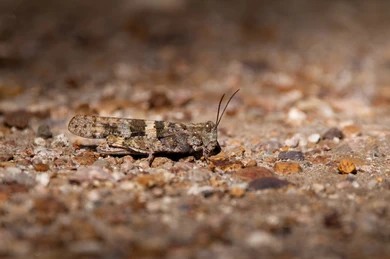
If you’ve been noticing more grasshoppers on your back porch or swarming your porch light, you’re not alone.
Tucson has seen a recent explosion of grasshoppers.
“It’s a combination of well-spaced winter rains as well as the heat we’re experiencing now,” explained Goggy Davidowitz, professor of entomology at the University of Arizona.
Tucson has recorded 5.18 inches of rain thus far this year, according to the National Weather Service. High temperatures in March also shattered records including the earliest 100-degree day on March 19.
With the possibility of summer rains creating another grasshopper boom, home gardeners may want to take precautions
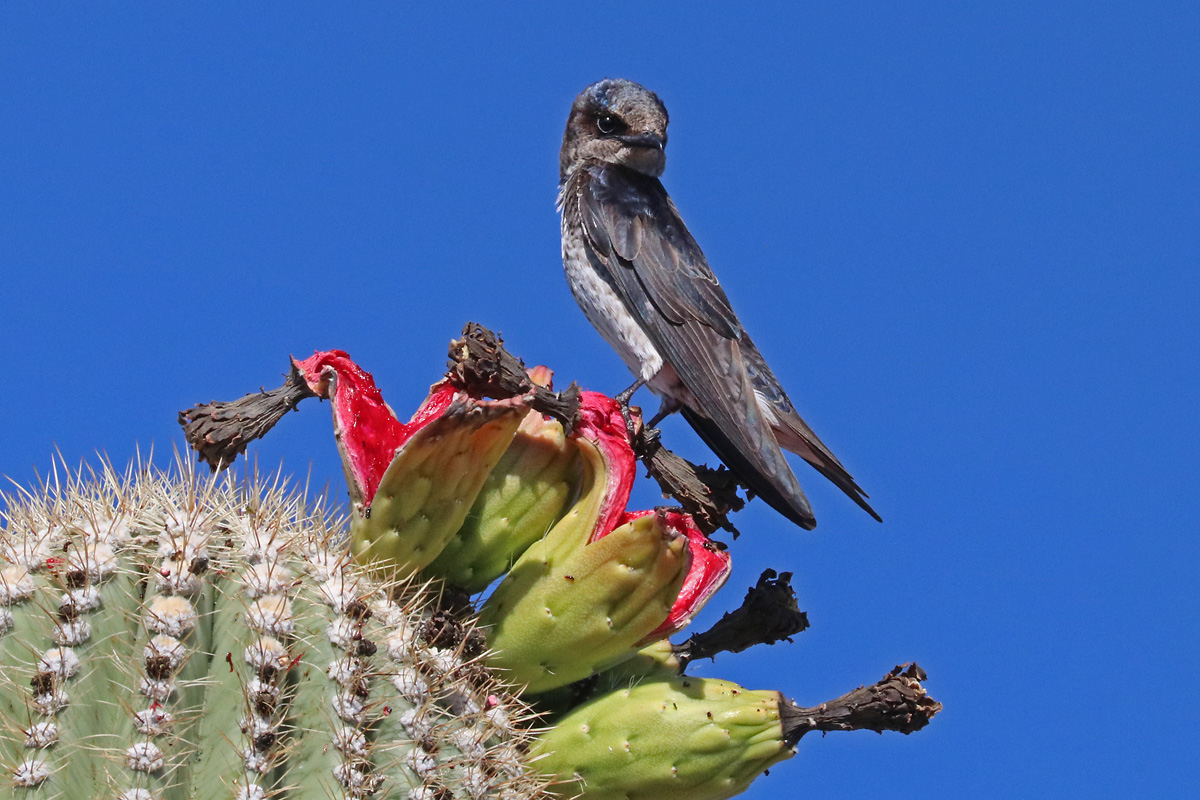
But Davidowitz warns against resorting to pesticides, which could impact other key species that rely on grasshoppers.
“Grasshoppers are (an) important prey species for a lot of animals out there, particularly birds,” he said, citing the cactus wren as an example. “The cactus wren’s reproductive success often is determined by how many grasshoppers are out there, so they’ll probably be doing very well this Davidowitz pointed out the “pallid-winged grasshoppers” we’re seeing pose no real threat to people or large-scale agriculture.
But in large numbers, the pesty grasshopper could take a bite out your backyard garden cucumbers.
“They’re harmless, I mean, they’ll eat at some plants in people’s gardens but not a lot,” he said. “It’s not a species to be concerned about.”
Davidowitz said that the origin of the grasshopper population we’re seeing start in the summertime and early fall, when “the females will lay eggs in the ground.”
“If the winter rains are poor, most of (the eggs) will just desiccate and die,” he said. “But with the relatively good winter rains we got this year that were spread out and now with the increase in heat, we’re seeing the eggs are developing and emerging.”
“Grasshoppers in general go through boom and bust cycles, and right now it’s very clearly a boom,” he added. “And if we have any decent summer rains or monsoon rains, what we’re seeing now will multiply and we’ll see a lot more of them.”
Arizona Sonoran News is a news service of the University of Arizona School of Journalism.