


As the costs of higher education rise, many students work part-time jobs to pay for college related expenses including tuition, rent, food and extracurriculars.
For some, those work hours come at the cost of school, socializing and rest.
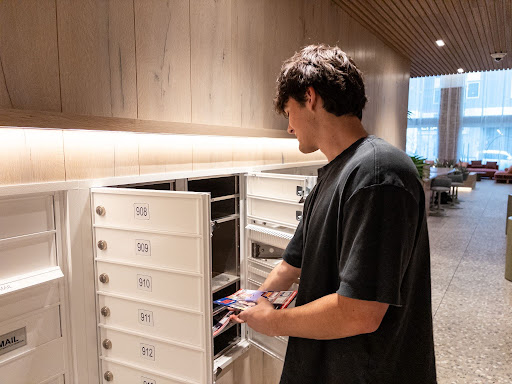
Noah Glenn, 20, works for Bundle at the Hub Tucson First apartment sorting packages. He works 20 hours a week and said he feels overwhelmed balancing the responsibilities of work and school.
“(Working is) kind of more of a necessity in order to go to college,” he said.
It’s similar for 19-year-old Adriana Richard, a server at Bacio Italiano on University Boulevard. She said she struggles juggling her schedule between work, classes and study sessions.

Adriana Richard prepares for her training serving shift at Bacio Italiano on University Boulevard on March 18, 2026.
She works to avoid financial stress and to help split the cost of her future apartment with her parents. She misses study sessions, sorority events and time with her friends because of her night shifts, she said.
“I have been missing my chemistry tests recently because they’re all on Friday nights, and I have to work Friday night,” Richard said.
Art Young is the university’s chief financial aid administrator and acknowledges that rising costs are causing more students to work or take on more hours.

Art Young, the chief financial aid administrator, is pictured working in his office in the Administration Building on the University of Arizona’s main campus on March 17, 2026.
“We find that students better manage their time when they’re working part-time,” he said. “We find that they do better academically when they’re working part-time.”
But that only applies to part-time work up to about 15-20 hours each week. Beyond that, the negative effects outweigh the positives, he said.
Working students sometimes sacrifice academics, sleep and free time to stay enrolled.
Arizona Sonoran News is a news service of the University of Arizona School of Journalism.