
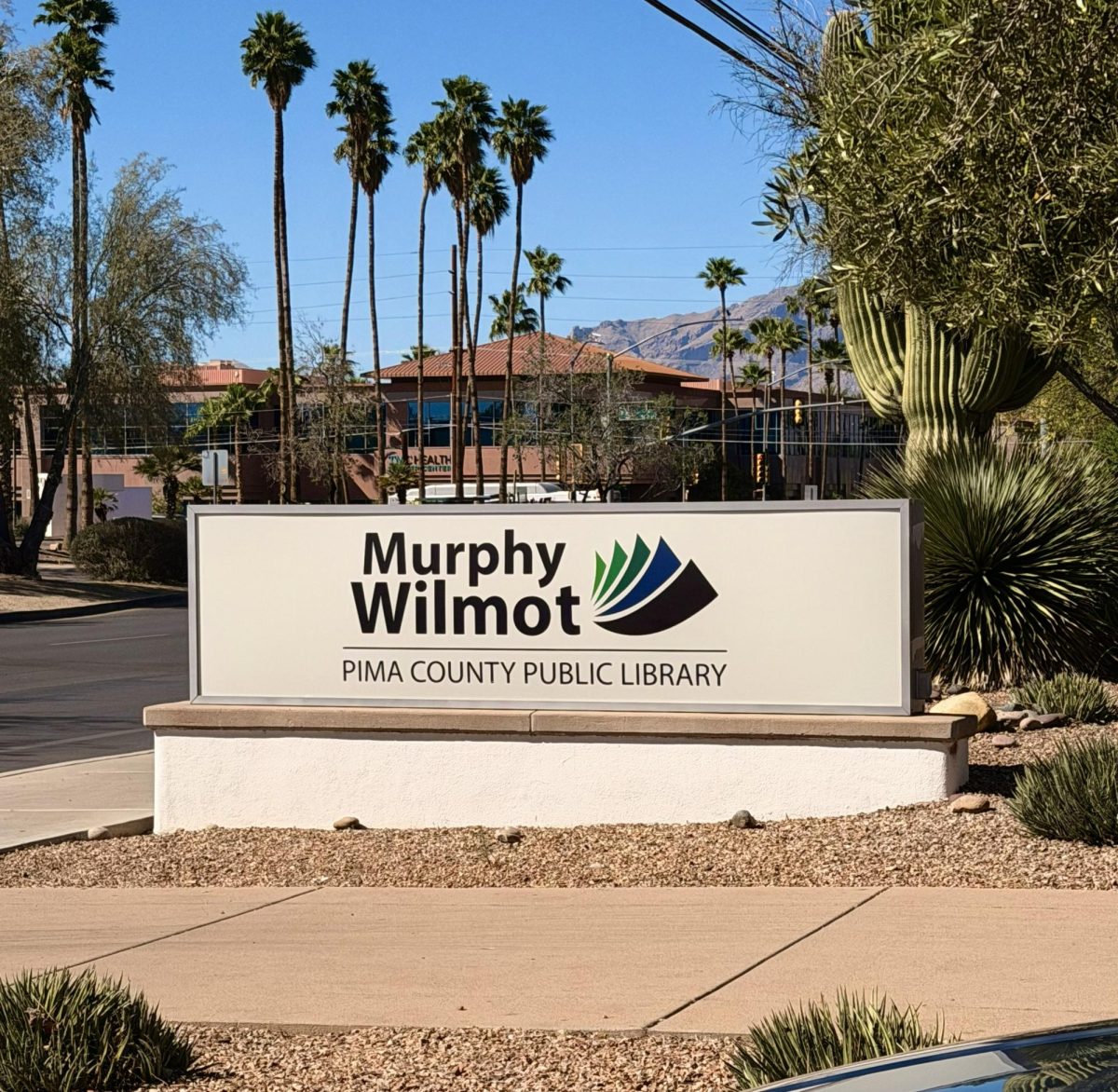
Shelves of manga and graphic novels fill the children’s section at the Murphy-Wilmot library, as young readers look through and pick out their favorites. A stack of graphic novels are scattered on a nearby table.
The books combine colorful comic-strip-style illustrations with short sentences, offering a visual storytelling experience.
As technology is a bigger part of most people’s everyday life, librarians in Tucson say children’s reading habits are changing toward more visual and digital formats.
From social media to web platforms, young readers are spending more time on screens, but that does not mean they have stopped reading, said Mike Czarnopys, a librarian at the El Rio Library.
“They are just moving onto other platforms, simply other ways of consuming information that meet their current needs,” he said.
Instead of traditional books, children ages 11 to 14 are often turning to digital content, he said.
“The majority of their reading is done online. They are going to websites and social media more than they are to physical books,” he said.
Carl Murdock, a young adult services librarian, said he’s also seen changes working at the Woods Memorial Library.
“Harry Potter” and Rick Riordan’s fantasy series were popular among tweens,” he said. “Dav Pilkey’s book “Dogman” or anything cartoonish with a goofy sense of humor is really taking over.”
Melissa Andrews, a teen youth services librarian at the Flowing Wells Library, said this shift may also show up in the genres of literature young readers are drawn to.
“There is not much interest among the youth in nonfiction, classic literature and poetry,” she said. “There is definitely an interest in graphic novels or literature that is associated with TV films that have come out.”
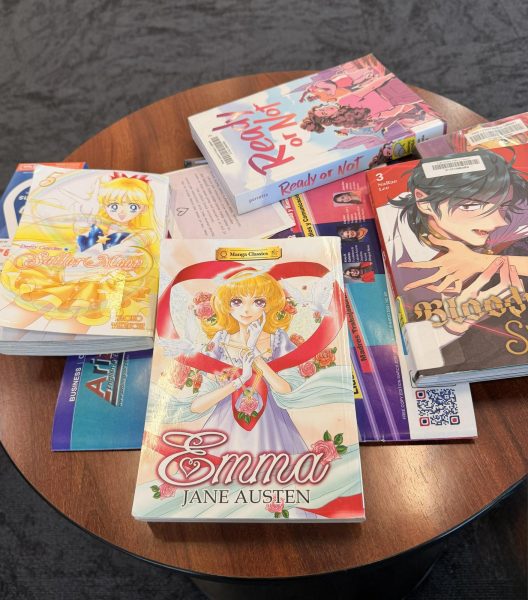
A collection of manga and webcomics are displayed on a table at the Murphy-Wilmot Library in Tucson, Ariz., on March 25, 2026.
“Usually when I see younger kids and teens checking out classic literature, it’s because of a class assignment or because it’s being mentioned online, so suddenly it’s like, ‘What is this book? I should check it out,” Czarnopys added.
Theodora Dubon, an 11 year old reading at the Murphy-Wilmot Library on a recent Monday afternoon, said she often reads on her phone. She gets most of her reading recommendations from ads via online apps she reads on and friends she talks to at school.
“I find visual books interest me more than traditional books because these drawings have colors in them which makes them more interesting,” she said.
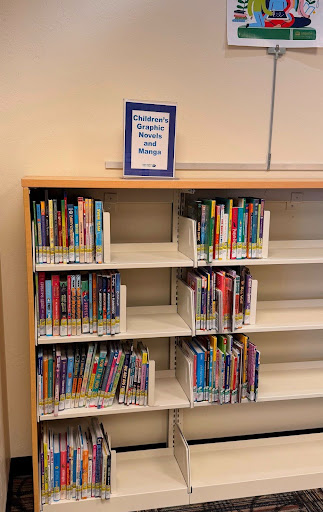
Children’s book section depicting graphic novel and manga books at the Joel Valdez Main Library in Tucson, Ariz., on March 20, 2026.
She said she often chooses manga books, a form of graphic novel that originated in Japan, that has grown in the U.S., especially among teens.
“I’ve seen action-based titles from Japan that are popular, and also a Korean version called manhwa, which is also gaining popularity. Then there’s the serialization of webcomics in manga format,” Czarnopys said.
Supporting shifting interests
This popularity reflects what libraries see on their shelves.
“Just this morning, when I was going through book returns, I got a pile of about 20 to 25 manga. So yes, they are consistently popular at every branch,” Czarnopys said.
As more kids turn to manga and visual storytelling, librarians said they’re responding to what young readers are choosing.
“We want the kids to keep reading. We don’t want to impose what we think they should be reading. When we see a certain title growing in popularity, we purchase more copies of it and invest more heavily in it,” Czarnopys said.
Even as reading habits change, he added that libraries remain not only a place to promote literacy but also a place where interests come together.
“The library is a space for children to explore options and gather with their friends. When we have kids come in after school, they hang out, look and talk about what they’re interested in,” Czarnopys said.
Arizona Sonoran News is a news service of the University of Arizona School of Journalism.