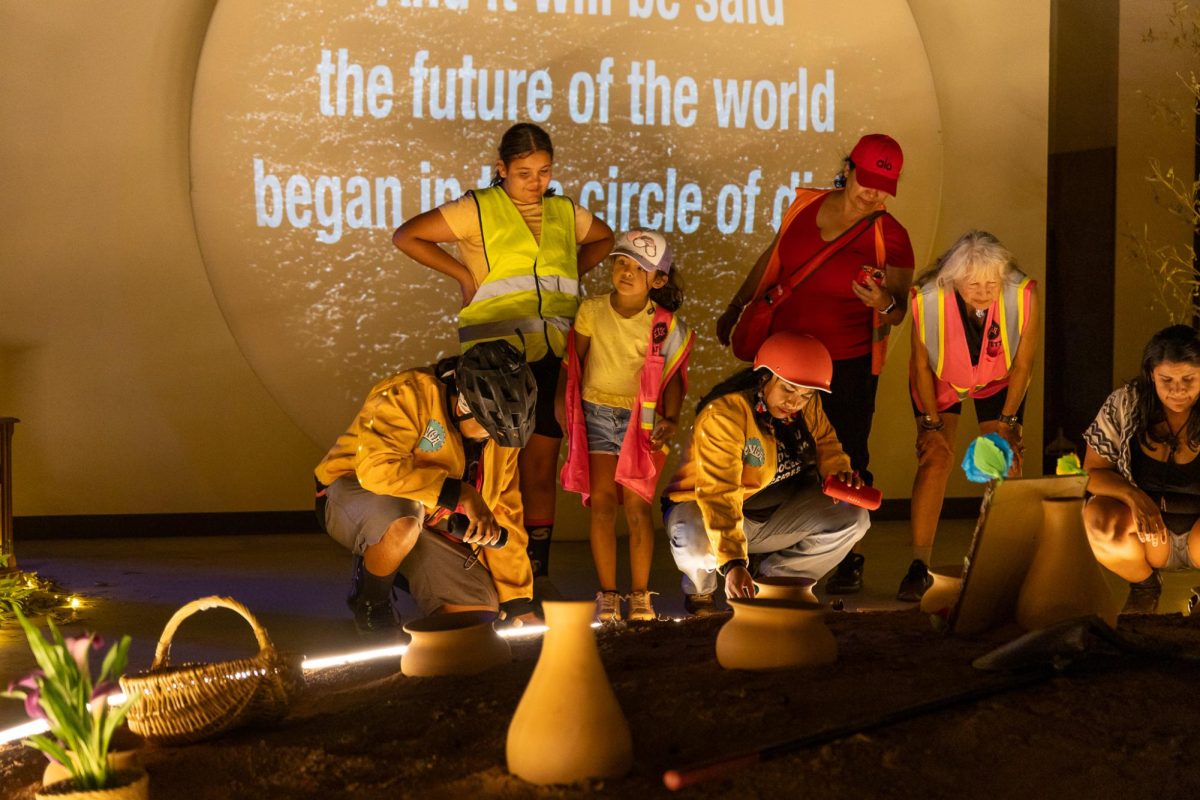


Saturday, Feb. 7, marks the start of the second annual Blue Corn Festival in Phoenix, a free, public, month-long celebration of Indigenous foodways, art, stories and community.
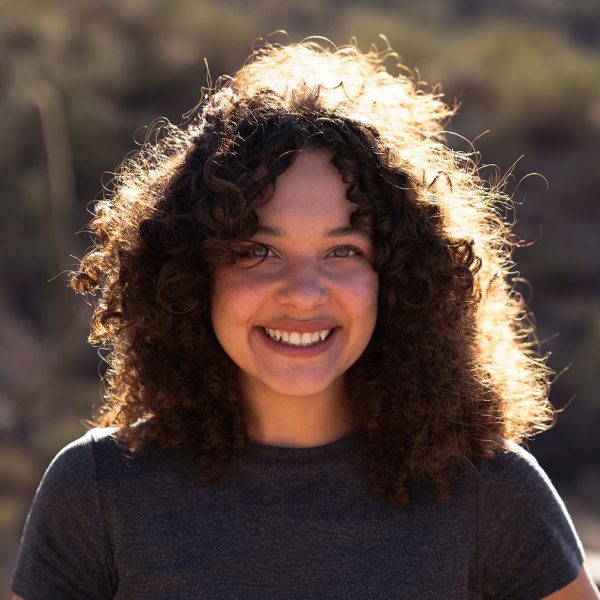
Poet and University of Arizona student Tommey Jodie is helping to kick off the festival this weekend with a zine-making workshop, highlighting connections between food sovereignty and food systems.
“The zine workshop is really just a space to show up and make something,” Jodie said. “There’s a loose theme around food and identity, but there aren’t any expectations for how people should participate or show up. It’s about community, creativity, and having fun together.”
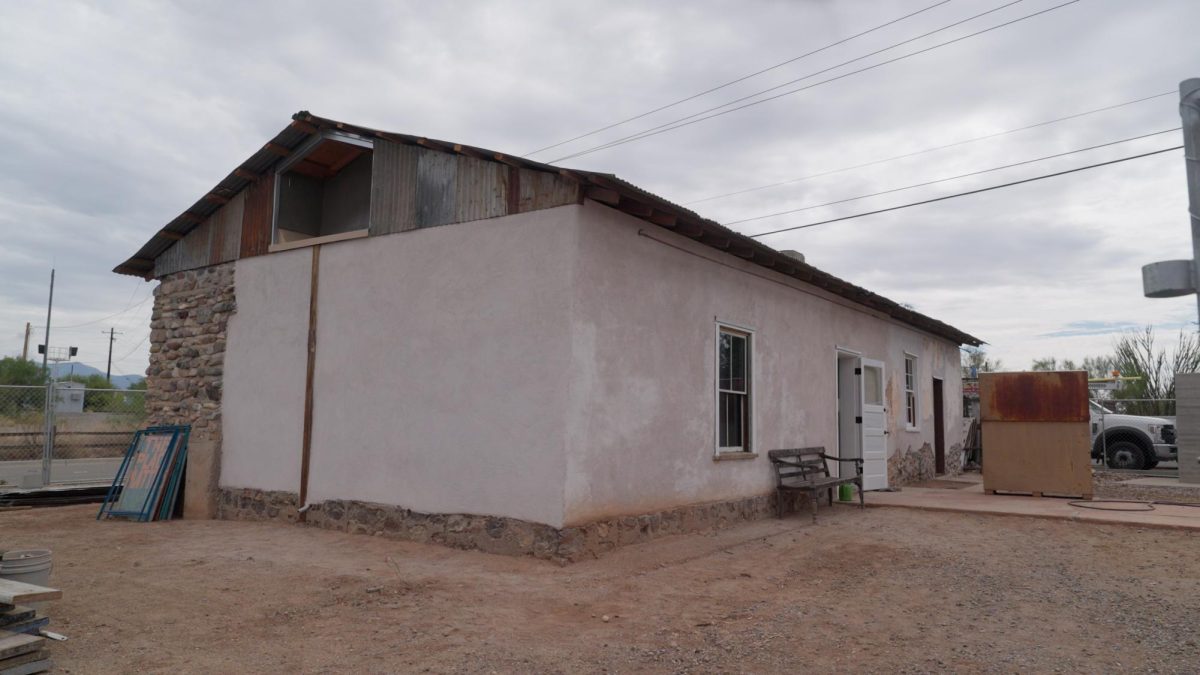
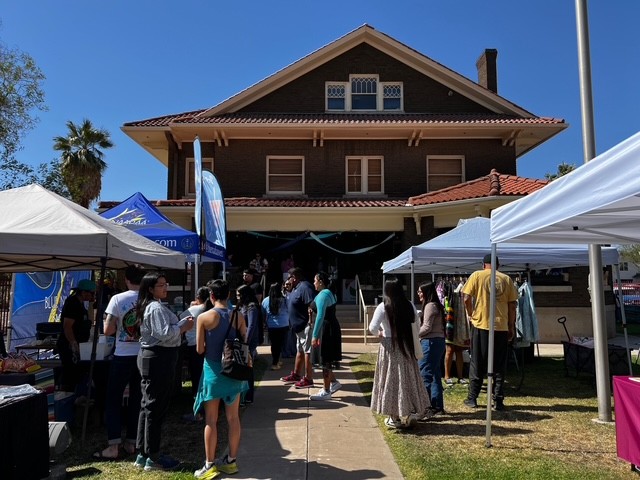
The workshop is one of several events this month connected to the festival. The main event will take place Saturday, March 7, from 11 a.m. to 4 p.m. at the historic Ellis-Shakelford House, 1242 N. Central Ave., in Phoenix, home to Arizona Humanities.
The celebration will include various in-person and online workshops and educational panels presenting diverse perspectives on Indigenous history and lifeways in the Southwest before and after the main festival event.
“I just feel like the whole theme of blue corn is so endless for a lot of Native tribes, or at least Southwest tribes, that it can go much longer than just a one-day festival,” said Amber McCrary, Arizona Humanities’ programs manager and the event planner for the festival.
Blue Corn Festival grows
McCrary started the Blue Corn Festival in 2025 in collaboration with Kinsale Drake, the founder and director of NDN Girls Book Club, a literary nonprofit that hosts free workshops and community events for Native youth and girls.
McCrary is also a writer and poet and creates zines. Blue corn has been a central theme in her life.
“My connection to blue corn, I feel like, helps me find a stronger connection to my culture, but not only my culture, but just who I am as a person,” she said.
This connection made it natural to organize an event celebrating Indigenous sovereignty through Native foods and their importance to culture, preservation, and the Southwest community.
“When it comes to a lot of Indigenous concepts or themes in literature, sometimes we can just focus on the bad or the poverty aspect or the trauma aspect,” McCrary said. “I also like to focus on Indigenous joy and Indigenous love, and I feel like Blue Corn Festival kind of relates to that theme.”
What the festival will offer
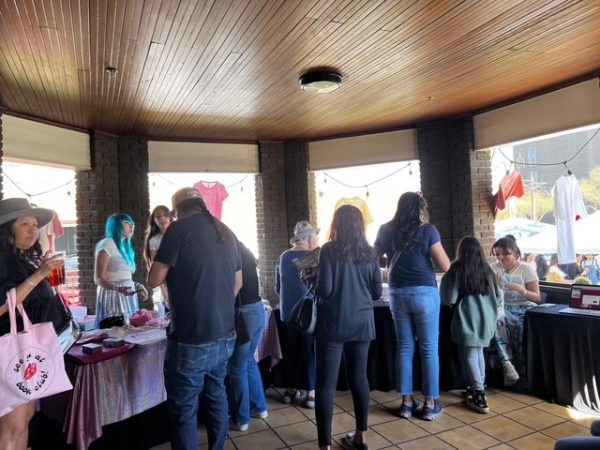
Last year, the festival mainly focused on literature, including Native poetry, fiction and nonfiction. This year, the public can expect local blue corn-inspired dishes, art displays, poetry readings, live music and family-friendly activities.
NDN Girls Book Club will offer free books by Indigenous authors for children and families, and a kids’ section at the festival will have a table giving out free used books.
The Smithsonian Center for Folklife and Cultural Heritage is supporting the 2026 festival under a program partnership called “By the People: Conversations Beyond 250,” allowing the organizers to plan with a bigger budget than before.
“We’re able to make things a little bit bigger in terms of we’re gonna have more vendors for sure, we’re gonna have a big tent in our backyard, compared to last year, where it was inside,” McCrary said. “We’re gonna have more presenters this year.”
The festival will feature around 35 Native vendors who often use blue corn in their products and services. Many are already well known in their food communities for their blue corn-themed cuisine, like Erickson Billy’s blue corn cupcakes from his small business, BLUE Naadą́ą́’ Sweets, LLC., and Renetto-Mario Etsitty from the Rez Urban Eatery, who uses all organic produce in his blue corn nachos.
Presenters at the event will explore cultural themes around blue corn, including a reading by Navajo author Brian Young and a presentation by Hopi author Anita Poleahla.
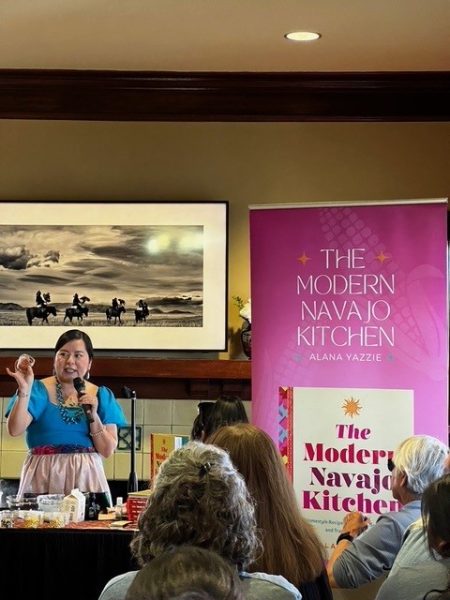
Festival-related programming includes a painting party with Afro-Indigenous artist Deon Mitchell, creative writing workshops led by Manny Loley and a cooking demonstration with Alana Yazzie, known as the Fancy Navajo.
To learn more about the event, visit azhumanities.org.
Arizona Sonoran News is a news service of the University of Arizona School of Journalism.