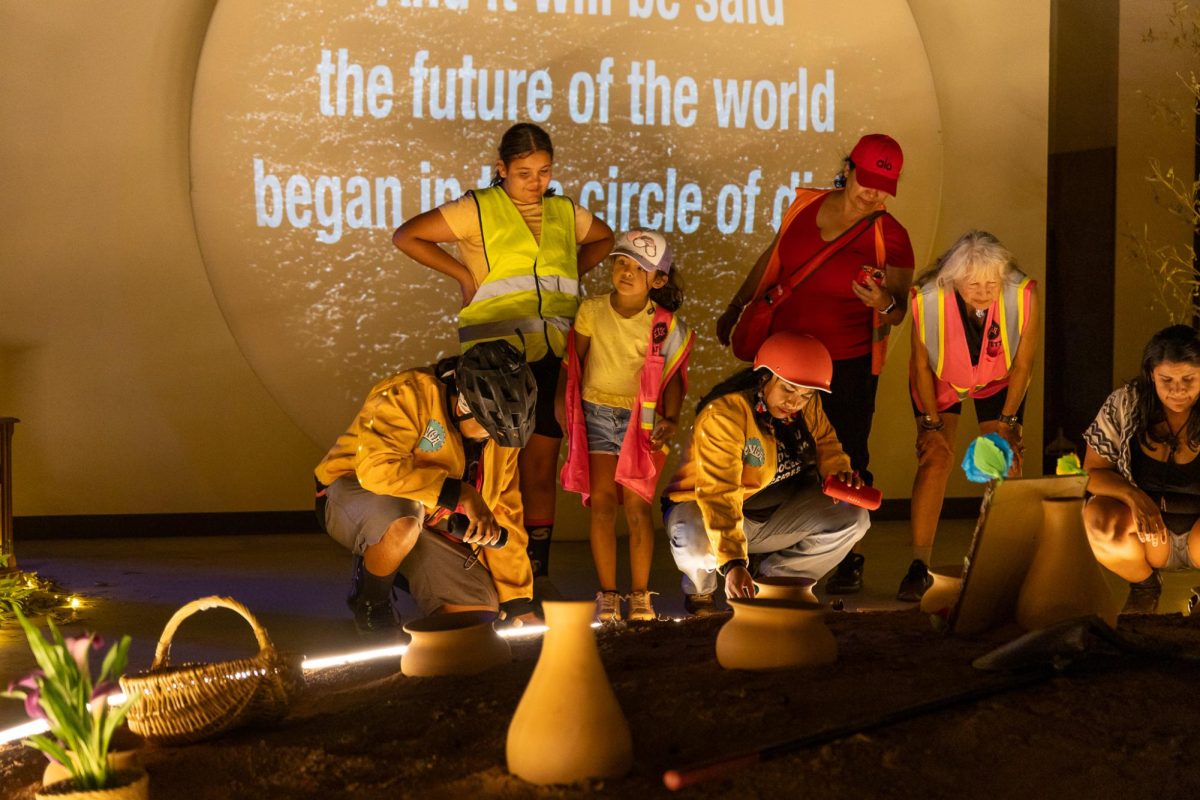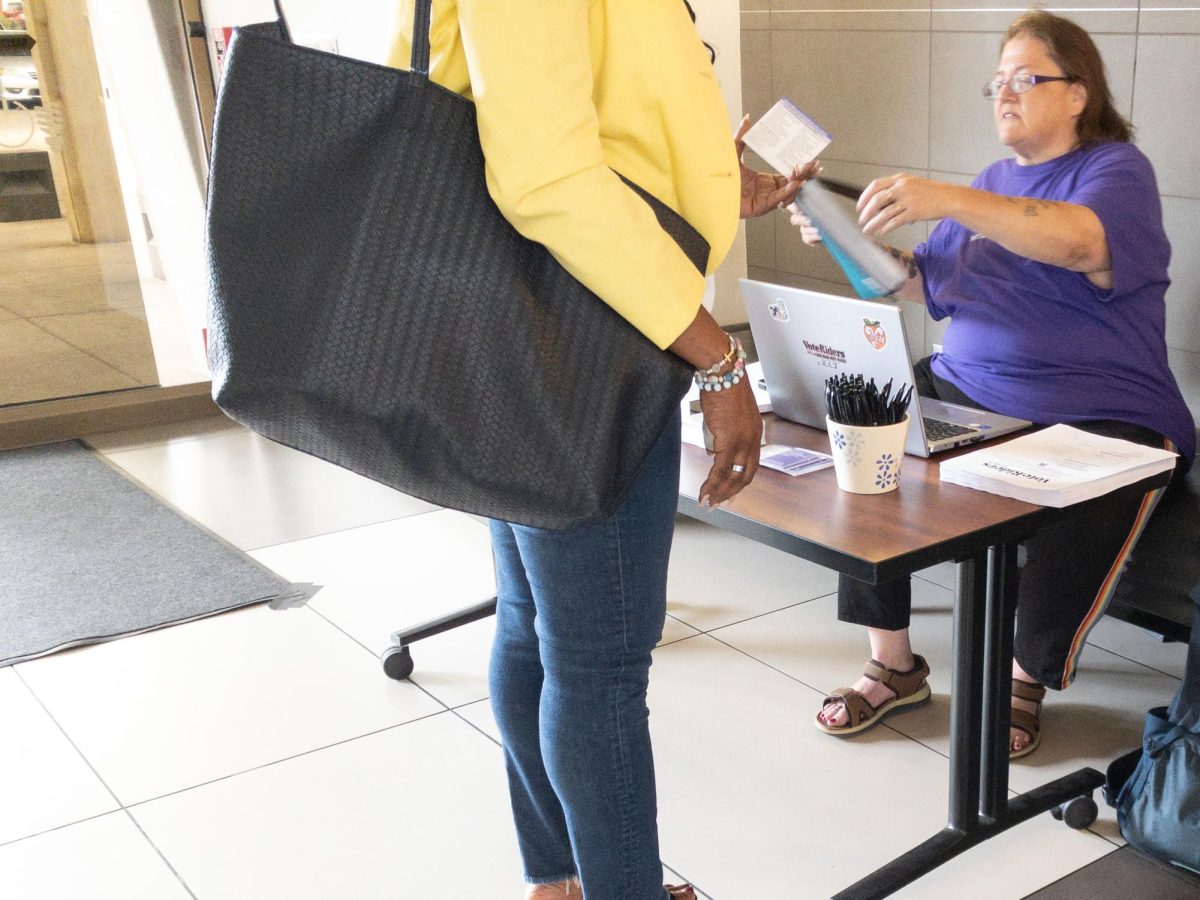


In an unassuming driveway just off the I-10, a couple dozen people gathered on a recent Saturday to create reusable menstrual products in an assembly line fashion: some cut fabric, some sewed, and others prepared distribution packages
The event was hosted by the Queer Girls Pantry, organized by Crafting Resilience and used materials sourced by ReArt. And it’s a response to a growing need for affordable menstrual products in the community as prices increase.
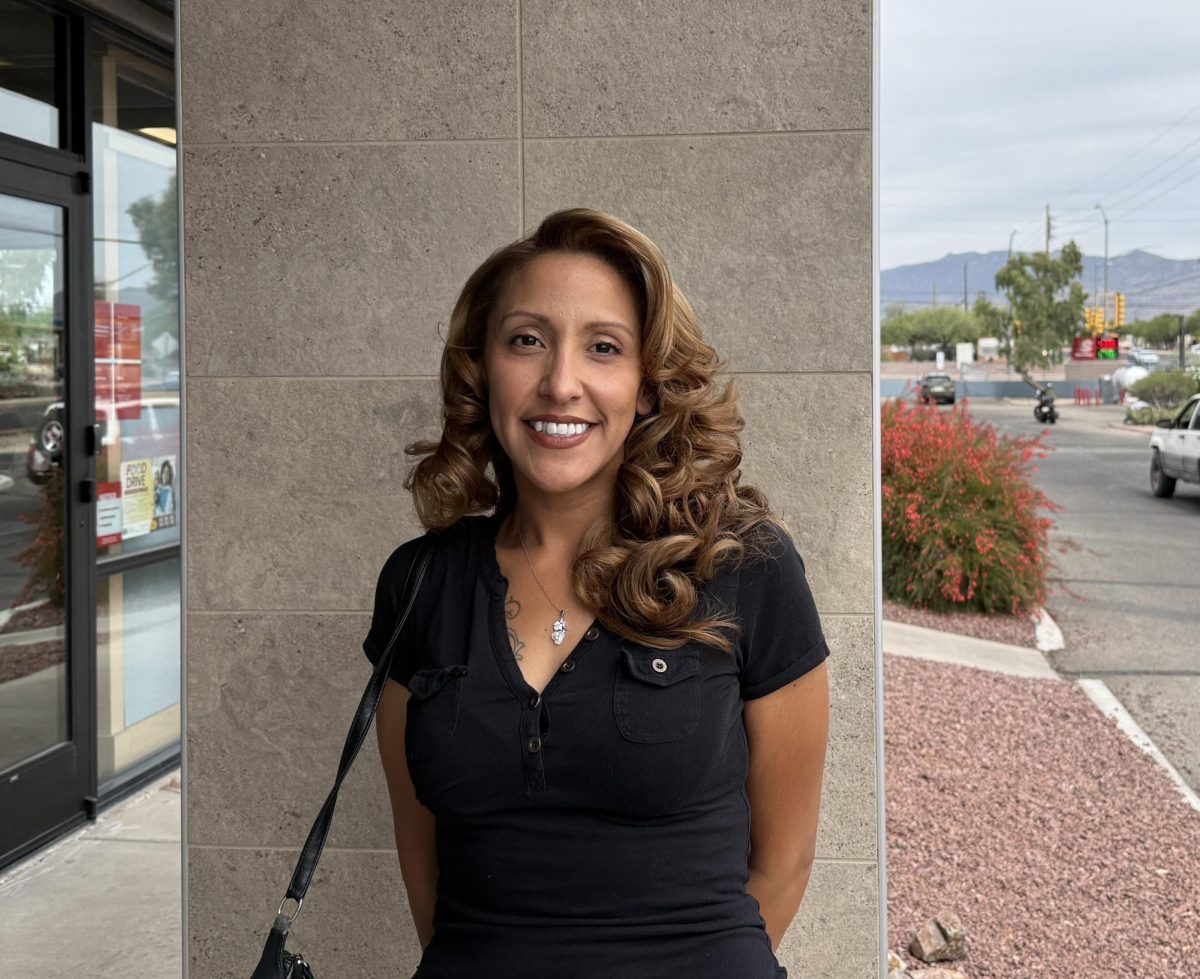
“Buying disposable items is very expensive, and a lot of people are feeling the crunch right now,” said Regina Dante, the founder of Crafting Resilience, an organization that promotes strength and self-reliance through creation.
“When you use something once and then you dispose of it, it’s creating waste in the landfill – it’s money you’re literally throwing away,” she said.
Increasing costs
Tariffs and inflation have caused prices of menstrual products to rise across the United States, disproportionately affecting queer and low-income communities.
From 2020 to 2026, the prices of menstrual products in the U.S. have increased nearly 40%, according to price data from Circana, which conducts market research. And in 2025, the U.S. collected $73 million more through tariffs on menstrual products than it did five years earlier.
Moreover, the U.S. tampon market’s revenue is expected to rise from $1,596.1 million in 2024 to $2,211.2 million in 2030, meaning that prices will continue to rise, according to data from research company Grand View Research.
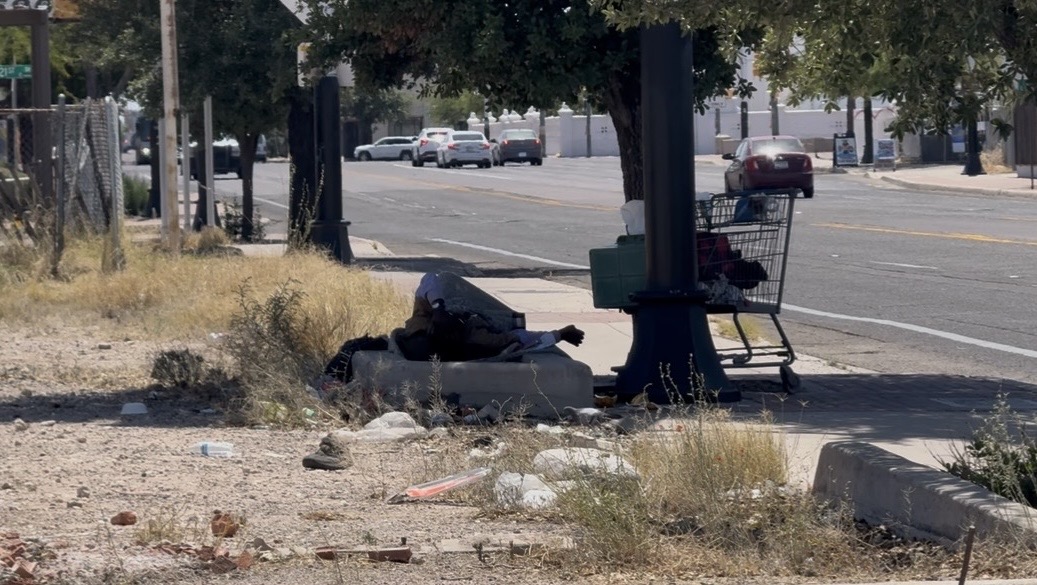
Lower income and other vulnerable people particularly feel the strain of increased costs.
Women are more likely to be in poverty than men in the United States, with rates particularly high for disabled, latin, black, indigenous and single head-of-household women, according to a 2023 study conducted by the Center for American Progress.
That can impact access to essential items like menstrual products.
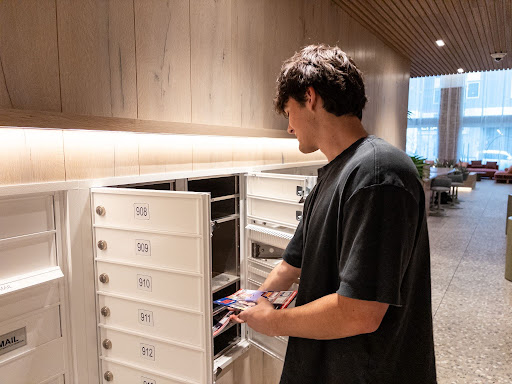
“Accessibility to these items is extremely important to us because menstrual products are absolutely a basic need,” said Pete McGraw, the senior coordinator of the University of Arizona’s Basic Needs Center and Services.
McGraw is involved with the Campus Pantry, where students can access free grocery items, including menstrual products. Because the campus pantry cannot allocate its own funds to purchasing these products, they rely mostly on donations.
“We conduct menstrual product specific donation drives because we want to ensure we always have these items available,” he said.
Local efforts
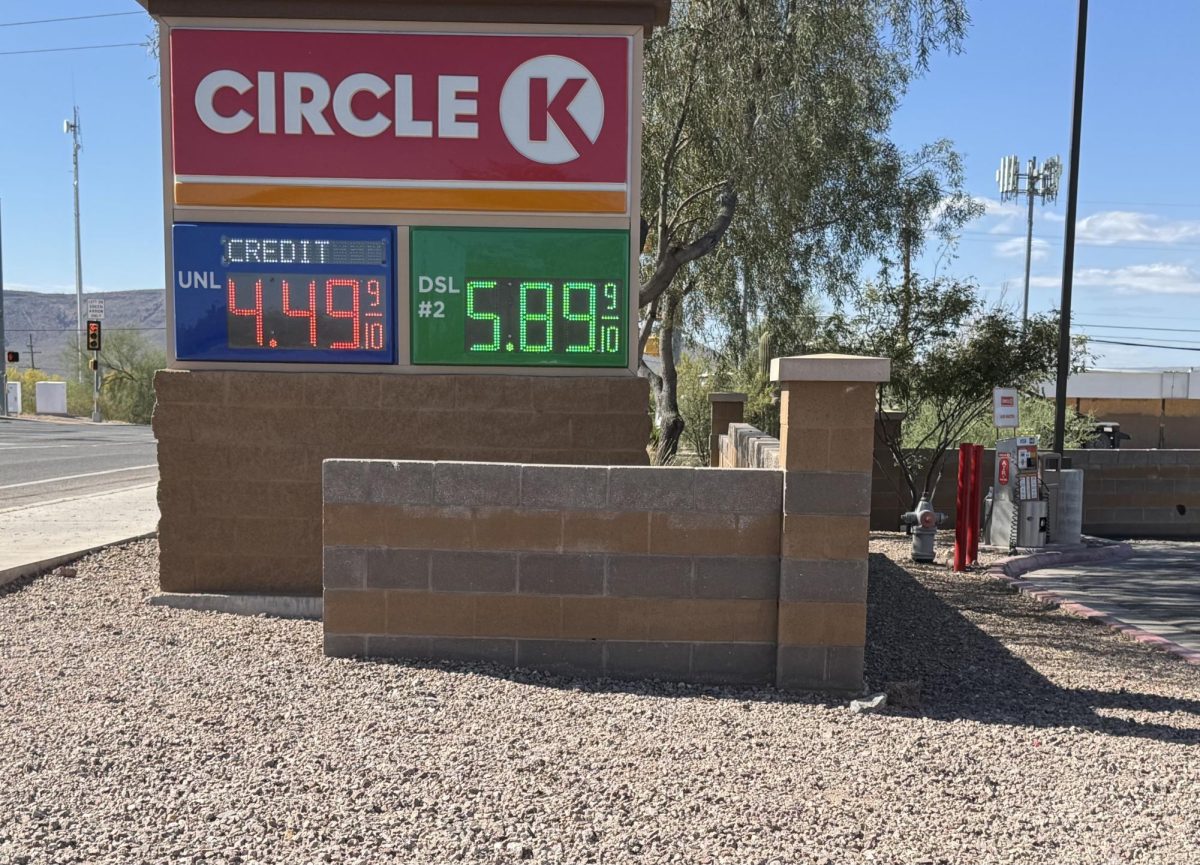
Still, as prices for these and other daily essentials like gas and groceries increase, many in Tucson have felt the financial strain, including users at the Queer Girls Pantry, a free pantry open to the public, run by Alex Bell and Leah Dardis.
“They’re having a lot more people need help purchasing or, you know, getting food, and that goes to reusable menstrual products too,” Dante of Crafting Resilience said.
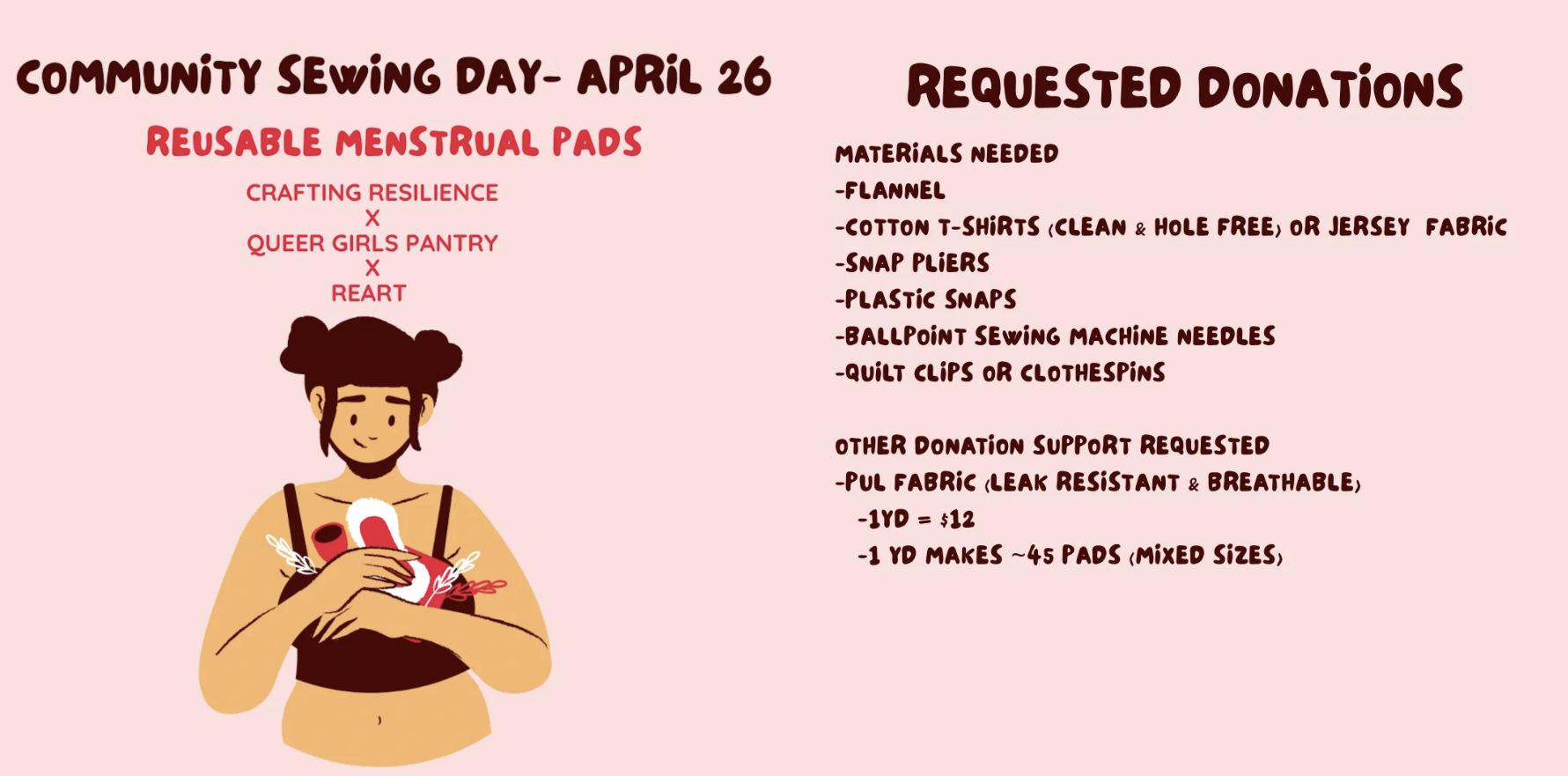
To alleviate some of this pressure, the groups are teaching community members to sew reusable menstrual products.
ReArt, a second-hand art supply store, collected donations including cotton tee shirts, flannel, water-resistant fabric and other sewing supplies. And Dante collaborated with the Queer Girls’ Pantry for Kids, to coordinate the Community Sewing Day on April 25.
At the event, volunteers made wet bags to hold used products – panty-liner-sized pads, overnight pads and everyday-use pads – all made from the donated materials.
By the end of the day, the group had sewn 127 menstrual products and is planning their next community sewing day to complete their goal of 156 pads.
Once completed, these products will be added to the stock at the Queer Girls Pantry, where they will be distributed to neighbors in need.
“We can get feedback from their neighbors who use them, and then in six months, we can put together that feedback and make adjustments for the next production,” Dante said.
Arizona Sonoran News is a news service of the University of Arizona School of Journalism.