

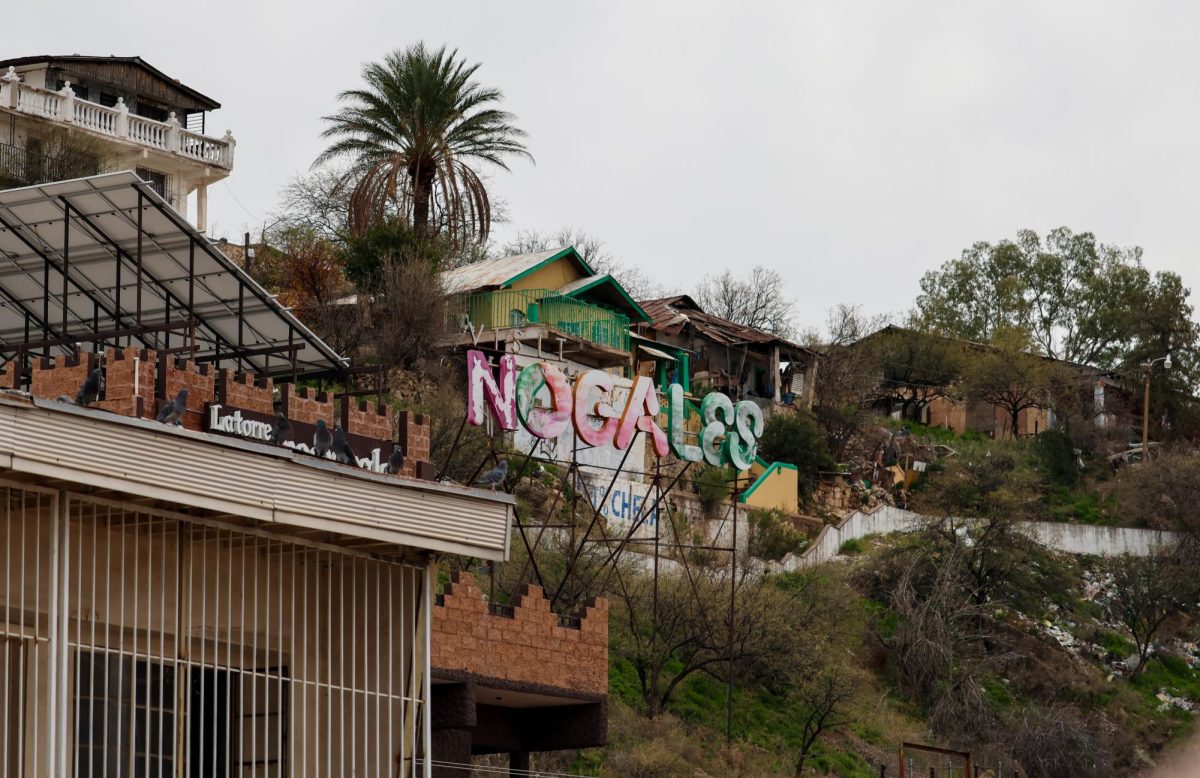
On Thursday, Jan. 29, steady foot and vehicle traffic continued across the centrally-located Dennis DeConcini Port of Entry in Nogales. People leaned in doorways, came in and out of shops and sat in restaurants on the Arizona side of the border as they typically do on a weekday afternoon.
“I haven’t noticed anything,” said George Damon, a Nogales lawyer. “I go to Mexico, my girlfriend is in Mexico. Crossing has been the same.”
The relative normalcy of life in the border town is a stark contrast with a recent and substantial increase in ICE arrests across the U.S., which have led to massive protests, violent crackdowns and the high-profile killings of two U.S. citizens in Minneapolis.
The monthly rate of detentions of Latino people is 6 times higher under the current administration as compared to the most previous data, according to a report conducted by UCLA and UC Berkeley Law.
While border communities like Nogales, which at 94.4% Hispanic is well above the national average of 20%, could be uniquely vulnerable to the current administration’s focus on immigration, so far, the city has not experienced a major shift in immigration enforcement.

Differing views of ICE’s impact on Nogales
Since December 2025, ICE has maintained an erratic presence at Nogales’s centrally located Dennis DeConcini Port of Entry and Morley Pedestrian Port of Entry, according to reporting from the Nogales International. Interactions with ICE in Nogales have ranged from stopping a Hispanic reporter at the border to accusing regular border-crossers of possessing false documentation.
Nogales Mayor Jorge Maldonado said that ICE’s presence at the Dennis DeConcini Port of Entry has negatively impacted the community.
“I think it’s ridiculous,” he said “They’re questioning people going to Mexico, people who are inexperienced at answering questions. If an agent doesn’t like their answer, they lose their VISA.”
Because Nogales’s economy is so dependent on border traffic, he added, ICE interventions at the port and nationwide could negatively impact the community by scaring away would-be visitors.
However, Maldonado said ICE presence in Nogales has remained confined to the border.
Unlike nearby Tucson and Pima County, he said, the city has not felt the need to address ICE use of city property.
City of Nogales Lieutenant Jose Bermudez agreed, saying he had not seen ICE anywhere in the city.
“Nothing has changed,” he said. “People aren’t afraid, and we haven’t been treated any differently while working.”
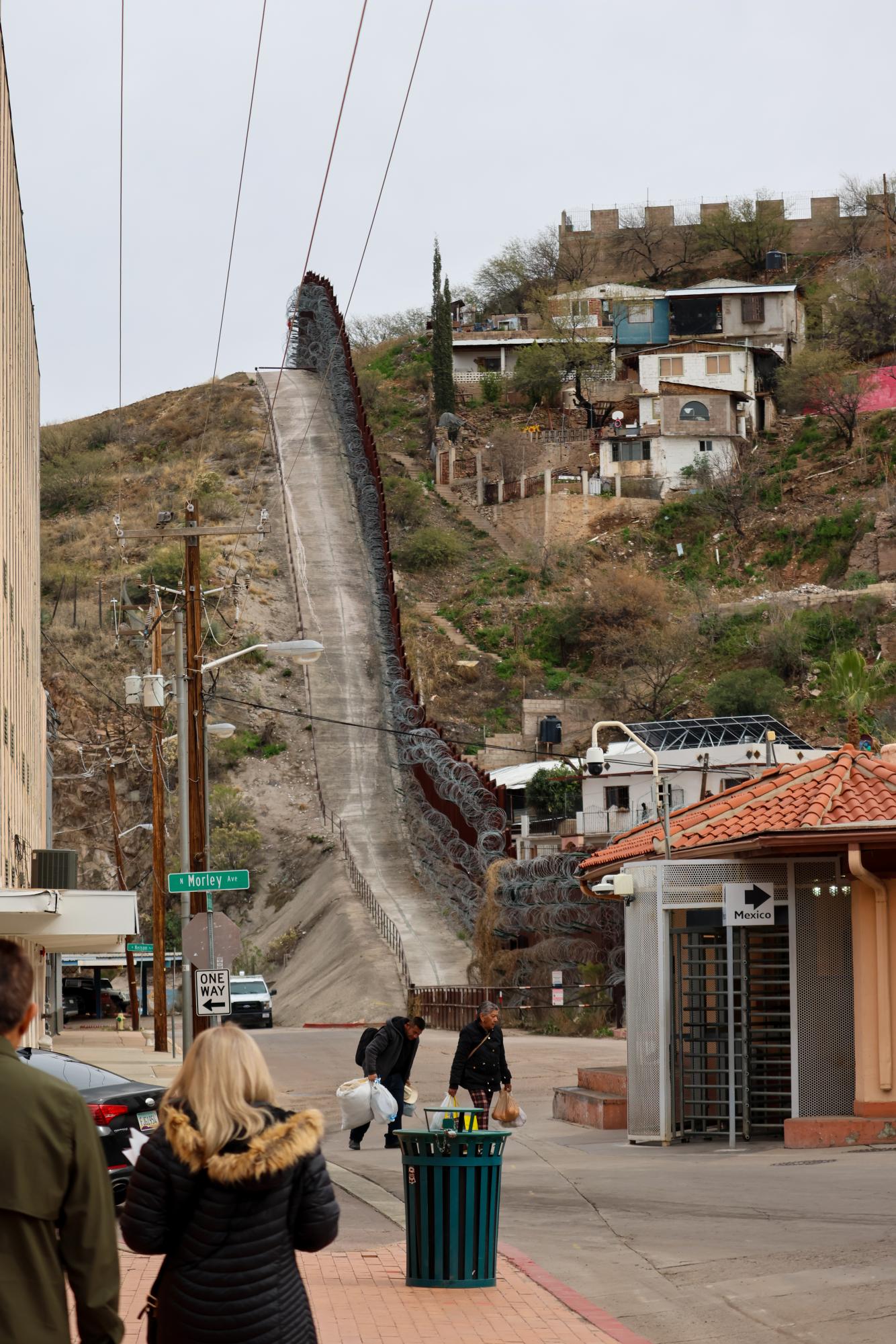
People walk toward a port of entry at Nogales, Ariz. border on Jan. 29, 2026. The Morley Gate is a pedestrian-only border crossing.
ICE rule changes in Tucson area
While Nogales officials haven’t seen a need to pass new rules around immigration enforcement, other cities, including Tucson and the City of South Tucson, have barred ICE from using city property to conduct arrests.
At the Jan. 21 City of Tucson Mayor and Council Study Session, officials voted in favor of prohibiting ICE use of city property.
“As the mayor, I feel we have to provide certainty to our residents,” Romero said at the meeting. “It’s important that we make a stand, that we are clear about what we can do in terms of providing that safety and quality of life and assurances and certainty that our resources will not be used to create fear and attack our immigrant community.”
Romero said she was not aware of ICE using city property in Tucson, but following the events in other parts of the country, the ordinance is a preventative measure.
The Tucson Police Department also put out a statement on Jan. 24, reminding the community that it will not aid ICE, but will not interfere with federal law enforcement either.
At a Feb. 3 meeting, the Pima County Board of Supervisors also approved three agenda items related to regulating ICE.
They included banning the use of face masks by law enforcement, opposing a proposed ICE detention center in Marana and protecting county-owned property from being used for federal immigration enforcement. The county will post signage making clear the county’s prohibition of ICE enforcement.
“Public spaces, they belong to the public and to everyone,” Pima County District 5 Supervisor Andres Cano said during the meeting.
Arizona Sonoran News is a news service of the University of Arizona School of Journalism.